Padelequipment
Rackets, shoes, balls and the accessories that are actually worth it: all my top-9 lists and guides in one place, with prices from November 2026.
When you start padel, you only need three things: a racket, shoes with the right sole and a can of balls. Many clubs rent out rackets, and that's fine for your first few sessions. Once you play more often, though, you quickly notice how much a racket that suits you and good shoes make a difference, both to your game and to your knees and elbows.
Here you'll find my top-9 lists, each with data and a comparison, plus a checklist of everything else that belongs in your bag. I keep the lists up to date and keep adding guides on individual topics.
The top-9 lists
Nine products per list, with data, a comparison table and an honest assessment.
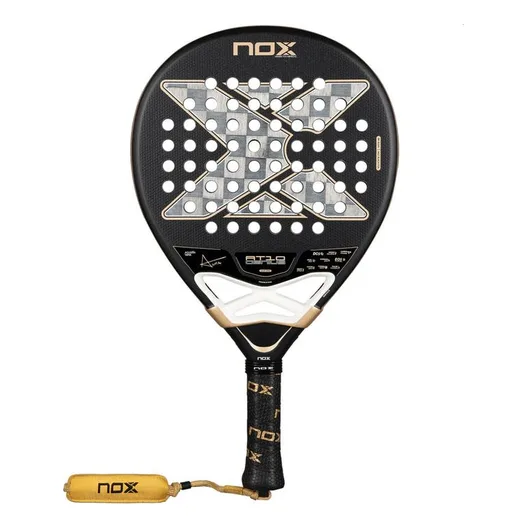 The 9 best padel racketsPower, control and comfort: nine rackets for experienced players compared.No. 1: Nox AT10 Luxury Genius 18K Alum · approx. €229
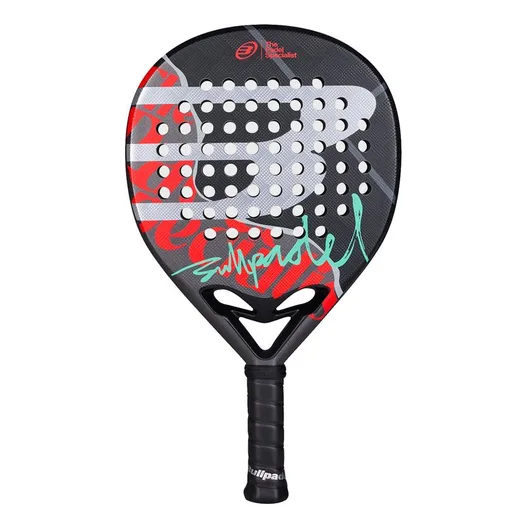 The 9 best padel rackets for beginnersSoft, easy to play and forgiving: nine beginner rackets from €60 to €120.No. 1: Bullpadel Ionic Control · approx. €119
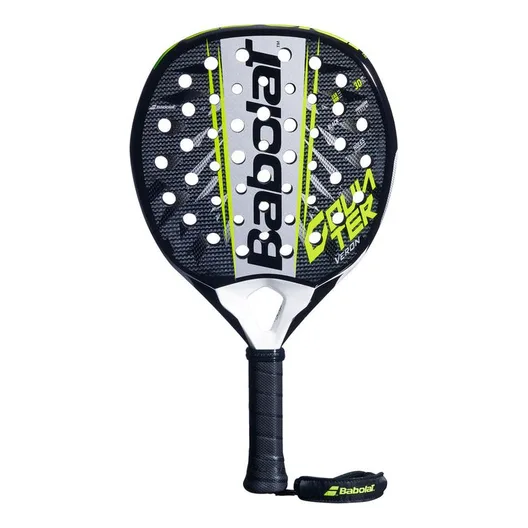 The 9 best padel rackets for intermediate playersThe step up from your beginner racket: nine models with more pace and precision from €100.No. 1: Babolat Counter Veron · approx. €165
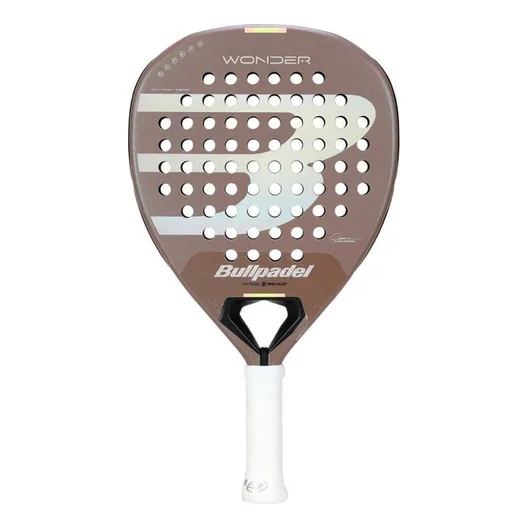 The 9 best padel rackets for womenLighter, quicker, easier on the arm: nine women's rackets from entry level to pro model.No. 1: Bullpadel Wonder · approx. €206
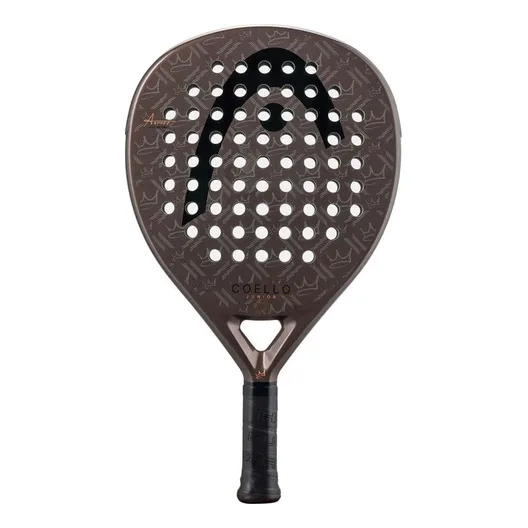 The 9 best junior padel racketsLighter, shorter, softer: nine junior rackets for children and teenagers up to 16.No. 1: HEAD Coello Junior · approx. €90
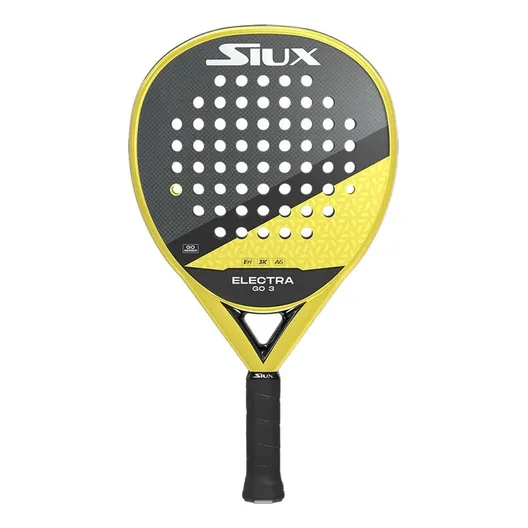 The 9 best budget padel racketsGood rackets don't have to be expensive: nine models from €60 to €120.No. 1: Siux Electra ST3 Go · approx. €93
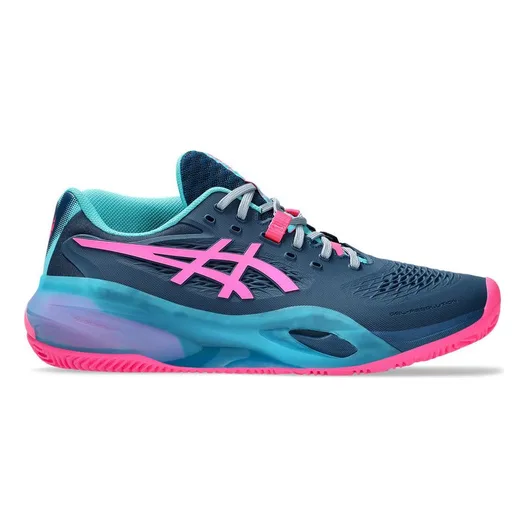 The 9 best padel shoesGrip, cushioning and support: nine shoes for men and women compared.No. 1: ASICS Gel-Resolution X Padel · approx. €119
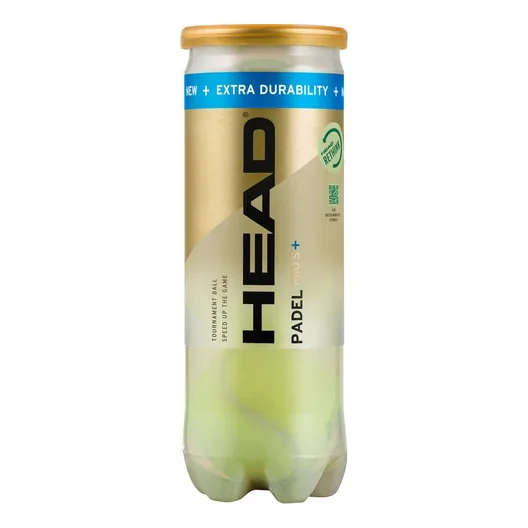 The 9 best padel ballsSpeed, control and durability: nine balls, from tournament balls to training balls.No. 1: HEAD Padel Pro S+ · approx. €6
Checklist: what you need for padel
Padel racket€60 to €250
The most important piece. For beginners: soft, round or teardrop-shaped, with a fibreglass face.
Best for beginners →Padel shoes€60 to €140
With a herringbone or omni sole for sand-filled artificial grass. Running shoes slip and put your ankles at risk.
Best padel shoes →Padel balls€5 to €6 a can
Padel balls have less pressure than tennis balls. One can lasts three to four matches.
Best padel balls →Overgrip€2 to €4 each
A fresh overgrip on top of the base grip keeps the racket secure in your hand. Change it once it gets slippery, every two to three weeks if you play a lot.
Racket protector€5 to €15
A film or tape along the top of the frame protects against chips when the racket hits the wall or the floor.
Bag€30 to €100
A backpack with a racket compartment is enough for most players. A large racket bag pays off once you own two rackets or play tournaments.
Clothingto taste
A breathable shirt, shorts or a skirt with pockets for the ball, and thick sports socks against blisters.
Eye protection€20 to €60
Optional but sensible: at the net the ball comes at you from close range, and eye injuries do happen in padel.
Equipment guides
Background, buying advice and care, updated regularly.
- Padel shoes: sole, cushioning, fit – which shoes you need for padelPadel shoes are not running shoes: the sole decides grip and slide on sandy artificial turf. Herringbone or omni, tennis shoes yes or no, which brands, how much to spend, when to replace – the guide.
- Padel balls: differences, pressure, lifespan – and which ones to buyPadel balls are not tennis balls: less pressure, slightly smaller, different bounce. Which balls tournaments use, how long a can lasts, how to store them – and which balls are worth it for training and matches.
- Round, Teardrop or Diamond: Padel Racket Shapes ComparedPadel racket shapes compared: round, teardrop and diamond – sweet spot, balance, forgiveness and which shape suits your level.
- Buying a Padel Racket: 5 Mistakes That Cost You Money and FunPadel racket buying guide: the 5 most common mistakes – from rackets too hard for beginners to overpriced old models – and how to avoid them.
Frequently asked questions about padel equipment
›What do I need to play padel?
A padel racket, shoes with a herringbone or omni sole and padel balls. For your first sessions you can rent a racket at most clubs, but you should have your own shoes: running shoes slip on sandy artificial grass. An overgrip, a bag and a racket protector come later, once you play regularly.
›How much does padel equipment cost?
Around €130 to €180 to get started: a racket for €60 to €90, shoes for €60 to €90 and a can of balls for about €5. Ambitious players tend to spend €250 to €400 on racket and shoes.
›Can I play padel in tennis shoes?
Tennis shoes with an all-court or clay sole will do at a pinch, because they also grip on the sand in the artificial grass. Padel shoes with a herringbone or omni sole, built exactly for this, are better. Indoor court shoes and running shoes are unsuitable because they slip.
›Do I need my own padel balls?
For matches with friends and for practice, yes. At tournaments the organiser usually provides the balls, typically a new can per match.
›Is an expensive padel racket worth it?
Only once you play regularly and usually hit the ball in the centre. Expensive rackets are stiffer and more precise but less forgiving. For recreational players, a good racket around €100 is often the better choice.
Links marked * are partner links to Tennis-Point. If you buy through them I earn a small commission at no extra cost to you. They do not affect the ranking. Product photos: Tennis-Point.